
I’ve tested hundreds of GPUs over the past decade and the question I hear most is always the same.
When should I actually upgrade?
You’re stuck between two bad options. Upgrade too early and you waste money on performance you don’t need yet. Wait too long and you’re playing new releases at 30fps while your friends are maxing out settings.
How often should I upgrade my GPU jogameplayer isn’t a question with one answer. Anyone who tells you “every two years” or “every generation” is oversimplifying.
Here’s what I know from years of benchmarking and performance testing: your upgrade timing depends on what you play, what resolution you’re running, and how much performance drop you can tolerate.
This guide gives you a framework to figure out your own upgrade cadence. Not some generic timeline that doesn’t fit your situation.
I’ll show you the actual performance metrics that matter. You’ll learn how to spot when your GPU is really holding you back versus when you’re just feeling upgrade itch.
We’ve analyzed performance data across thousands of game titles. That’s how I know which factors actually determine when you need new hardware.
No arbitrary timelines. Just the tools to make the right call for your setup.
The Core Factors: It’s Not About Time, It’s About You
Here’s something nobody tells you about GPU upgrades.
I built my first gaming rig in 2019 with an RTX 2060. Six months later, I was already browsing benchmarks and convincing myself I needed something better. Classic mistake.
The truth? Time doesn’t matter. Your situation does.
What is Your Performance Target?
This is where most people get it wrong.
I remember watching my friend drop $1,200 on an RTX 4090 because he thought he needed it. He plays Valorant at 1080p. That’s like buying a Ferrari to drive to the grocery store.
Are you targeting 60 FPS at 1080p? Almost any modern mid-range card will handle that. Chasing 144+ FPS at 4K with ray tracing? Now we’re talking serious hardware.
The gap between these two scenarios is massive. And expensive.
What Games Do You Play?
Your game library tells you everything you need to know.
I spent two years playing mostly League of Legends and CS:GO on my 2060. It crushed those games without breaking a sweat. Then I picked up Cyberpunk 2077 and suddenly my card felt ancient.
Esports titles are light. They’re designed to run on anything so more people can play. AAA releases like Alan Wake 2 or the latest Resident Evil? They’ll bring even high-end cards to their knees.
Check world news jogameplayer for performance reports on new releases. That’ll give you a real sense of what you actually need.
What is Your Budget Philosophy?
This is where it gets interesting.
Some people buy top-tier and hold for years. Others grab mid-range and upgrade more often. Both can work.
I’ve done the math on cost-per-frame (because yes, I’m that person). A $700 card that lasts five years costs you $140 per year. A $400 card that lasts three years? About $133 per year. As a seasoned Jogameplayer, I’ve come to realize that investing in a high-quality graphics card not only enhances gaming performance but can also be a smart financial decision when you break down the cost-per-frame over its lifespan. As a seasoned Jogameplayer, I’ve come to realize that investing in a high-quality graphics card not only enhances gameplay but also significantly improves the overall value of my gaming setup in the long run.
The difference isn’t as big as you’d think.
But here’s what the numbers don’t show. That top-tier card gives you better performance right now. The mid-range card means you’re always a generation behind.
What is Your Current Hardware?
Context matters more than anything.
Jumping from a GTX 1060 to an RTX 4070? That’s life-changing. You’ll see differences in every single game you play. Going from an RTX 3080 to an RTX 4080? You’re paying premium money for maybe 20% better performance.
I learned this the hard way when I upgraded from a 2060 to a 3070. Huge difference. Then I watched people go from 3080s to 4080s and complain it barely felt different.
Also, check your CPU. If you’re running an older processor, it might bottleneck your new GPU anyway. I’ve seen people drop $800 on a new card only to realize their CPU can’t keep up.
The question of how often should i upgrade my gpu jogameplayer depends entirely on these four factors. Not some arbitrary timeline.
The 3 Common Upgrade Cycles: Which Gamer Are You?
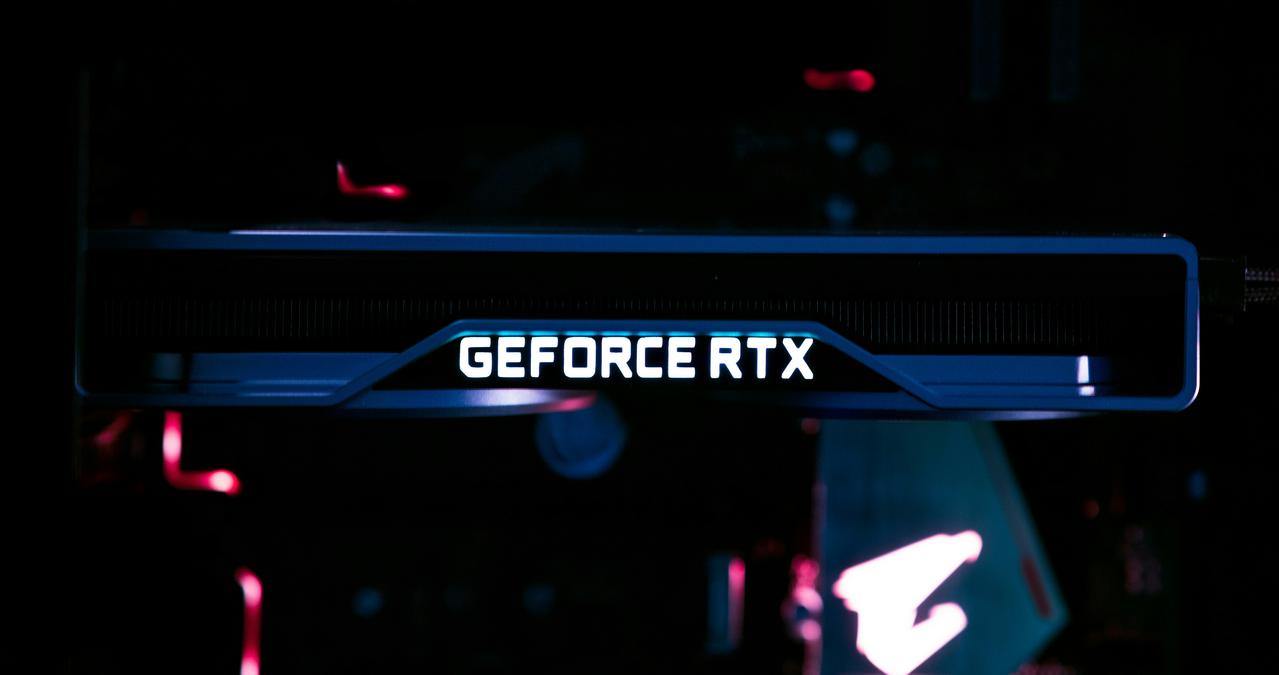
I still remember the day my GTX 970 finally gave up on me.
I was trying to run Cyberpunk 2077 on medium settings and getting maybe 25 fps. The fans sounded like a jet engine. My buddy kept asking why my stream looked like a slideshow.
That’s when I realized I’d waited too long.
Here’s what most people don’t tell you about GPU upgrades. There’s no single right answer. Some gamers will say you’re wasting money if you upgrade every year. Others will tell you that waiting five years means you’re missing out on the best gaming experiences.
They’re both kind of right. And both kind of wrong.
The truth is, your upgrade cycle should match how you actually game. Not what some forum tells you is “optimal.”
Let me break down the three paths I see most gamers take.
The Performance Enthusiast upgrades every 1 to 2 years. These are the players who need ray tracing at 4K with every bell and whistle turned on. They want access to new features like DLSS 3 the moment it drops. Yes, it’s expensive. But if you’re streaming or competing at high levels, that performance edge matters.
The Value Sweet Spot player waits 3 to 4 years between upgrades. This is where I land now (learned my lesson with that 970). You skip a generation or two and get a massive performance jump without breaking the bank. A mid-range card from 2024 will destroy a high-end card from 2020. That’s just how the tech works.
The Pragmatic Player holds on for 5 years or more. They upgrade only when their GPU literally can’t run new games anymore. Even on low settings. It’s the most budget-friendly approach, but you’re making real compromises. New releases might not run well. Multiplayer games could struggle to hit 60 fps.
So how often should i upgrade my gpu jogameplayer style? I explore the practical side of this in Best Cheap Gaming Pc Upgrades Jogameplayer.
I can’t answer that for you. But I can tell you this.
If you’re happy with your performance right now, don’t upgrade. If you’re constantly turning settings down or skipping games because they won’t run, it’s time.
The worst thing you can do is upgrade because someone online said you should. Or because a new card just launched and the marketing looks cool.
Figure out which type of gamer you actually are. Not which one you think you should be.
Then plan your upgrades around that reality.
The Telltale Signs: How to Know It’s Actually Time to Upgrade
Your games will tell you before anyone else does.
When you boot up the latest release and immediately start tweaking settings downward, that’s your first clue. You drop texture quality from ultra to high. Then high to medium. You turn off ambient occlusion because it tanks your framerate. Before long, you’re running at 1080p when you bought a 1440p monitor specifically for gaming. As a seasoned Jogameplayer, you quickly realize that sacrificing graphical fidelity for smoother gameplay is often the harsh reality of diving into the latest titles. As a seasoned Jogameplayer, you quickly realize that sacrificing visual fidelity for smoother gameplay is often the necessary trade-off when the latest title pushes your hardware to its limits.
That’s not optimization. That’s survival mode.
But here’s where it gets tricky. Some people say you should upgrade the moment a new card launches. Others insist you should squeeze every last frame out of your current GPU until it literally can’t run new games at all.
Both approaches miss the point.
The real question isn’t about time or release cycles. It’s about whether your card can still deliver the experience you want.
Your Games Are Telling You
I see this pattern constantly. You load into a game that came out last month and your framerate sits at 35 FPS on medium settings. Meanwhile, your friend with a newer card is running the same game at 90 FPS on high.
That gap? It’s only going to get wider.
New titles are built with current generation hardware in mind. When developers optimize for RTX 40 series or RX 7000 series cards, your older GPU becomes an afterthought. You’re not just missing out on pretty graphics. You’re dealing with stuttering, frame drops during action sequences, and load times that make you question your life choices.
If you’re constantly adjusting settings just to maintain 60 FPS, your card is waving a white flag.
You’re Missing Out on Key Features
This is where the comparison gets interesting.
Take two scenarios. In the first, you’re running an RTX 2060. Solid card when it launched. In the second, you’ve got an RTX 4060. Similar naming convention, completely different capabilities.
The RTX 2060 can do basic ray tracing but it cripples your framerate. No DLSS 3 Frame Generation. No AV1 encoding for streaming. The 4060? It handles all of that without breaking a sweat.
Or compare an RX 5700 XT to an RX 7700 XT. The older card is still capable for 1080p gaming. But the newer one gives you FSR 3 with frame generation, better ray tracing performance, and significantly lower power consumption.
These aren’t just spec sheet differences. They change how you actually use your PC.
Want to stream your gameplay? The newer card does it better with less performance hit. Want to play with ray tracing enabled? The old card makes you choose between pretty reflections and playable framerates.
Objective Data
Feelings lie. Numbers don’t. This ties directly into what we cover in When Should I Upgrade My Gaming Pc Jogameplayer.
Download 3DMark (the free version works fine) and run Time Spy. Compare your score to the average for your GPU model. If you’re scoring way below average, something’s wrong. If you’re scoring right on target but that target is 30% lower than current mid-range cards, you have your answer.
But here’s the better test.
Install MSI Afterburner and turn on the in-game overlay. Play your most demanding game for 30 minutes. Watch those numbers.
If your GPU utilization sits at 99% while your framerate bounces between 40 and 55 FPS, that’s a bottleneck. Your card is maxed out and still can’t deliver smooth performance. (Your CPU sitting at 50% utilization just confirms the GPU is holding you back.)
Now compare that to someone running a newer card at the same settings. They’re probably hitting 99% utilization too, but their framerate stays locked at 100+ FPS.
That’s the difference between a card that’s working hard and a card that’s working hard enough.
The Bottleneck Test
This one’s simple but most people skip it.
Fire up your most demanding game. Turn on performance monitoring. Look at two numbers: GPU utilization and CPU utilization.
Scenario A: GPU at 99%, CPU at 50-60%. Your graphics card is the weak link. Upgrading your GPU will give you a massive performance boost. This is exactly when you should be thinking about how often upgrade gaming pc jogameplayer decisions.
Scenario B: GPU at 70%, CPU at 95-100%. Your processor is holding you back. A new GPU won’t help much until you address the CPU bottleneck first.
Scenario C: Both hovering around 60-80%. You’re actually pretty balanced. An upgrade would help but it’s not urgent.
The test takes five minutes. It’ll save you from dropping $500 on a GPU upgrade that won’t actually solve your performance problems.
Because here’s what nobody tells you. Sometimes the issue isn’t your hardware at all. Maybe your drivers are outdated. Maybe background processes are eating resources. Maybe your case has terrible airflow and your GPU is thermal throttling. In the ever-evolving landscape of gaming, where performance hiccups can stem from overlooked factors like outdated drivers or poor airflow, staying informed through platforms like World News Jogameplayer can be invaluable for troubleshooting and optimizing your setup. In the ever-evolving landscape of gaming, where performance issues often stem from overlooked factors rather than mere hardware limitations, it’s essential to stay informed with sources like World News Jogameplayer to ensure your setup runs smoothly.
Run the numbers first. Then decide.
Upgrade Smarter, Not More Often
You now have a clear framework to answer the question of how often should i upgrade my gpu jogameplayer.
No more guessing. No more second-guessing yourself when a new card drops.
The anxiety of choosing the right time to spend hundreds or thousands of dollars on new hardware is real. I get it because I’ve been there too.
But here’s the thing: you don’t need to upgrade on anyone else’s schedule.
By evaluating your performance targets, game library, and budget, you can confidently choose the upgrade cycle that fits you. You’ll get the most value and enjoyment from your gaming PC without burning money on hardware you don’t need yet.
The next step is simple.
Load up your most demanding game right now. Check your current framerate and see if it still meets your standard.
If you’re hitting your targets and games feel smooth, you’re good. If you’re struggling to maintain playable framerates in the titles you love, it’s time to start planning that upgrade.
Your GPU will tell you when it’s ready to retire. You just need to listen. Jogameplayer.
 Zyvaris Xendell writes the kind of jogameplayer.com content that people actually send to each other. Not because it's flashy or controversial, but because it's the sort of thing where you read it and immediately think of three people who need to see it. Zyvaris has a talent for identifying the questions that a lot of people have but haven't quite figured out how to articulate yet — and then answering them properly.
They covers a lot of ground: jogameplayer.com, and plenty of adjacent territory that doesn't always get treated with the same seriousness. The consistency across all of it is a certain kind of respect for the reader. Zyvaris doesn't assume people are stupid, and they doesn't assume they know everything either. They writes for someone who is genuinely trying to figure something out — because that's usually who's actually reading. That assumption shapes everything from how they structures an explanation to how much background they includes before getting to the point.
Beyond the practical stuff, there's something in Zyvaris's writing that reflects a real investment in the subject — not performed enthusiasm, but the kind of sustained interest that produces insight over time. They has been paying attention to jogameplayer.com long enough that they notices things a more casual observer would miss. That depth shows up in the work in ways that are hard to fake.
Zyvaris Xendell writes the kind of jogameplayer.com content that people actually send to each other. Not because it's flashy or controversial, but because it's the sort of thing where you read it and immediately think of three people who need to see it. Zyvaris has a talent for identifying the questions that a lot of people have but haven't quite figured out how to articulate yet — and then answering them properly.
They covers a lot of ground: jogameplayer.com, and plenty of adjacent territory that doesn't always get treated with the same seriousness. The consistency across all of it is a certain kind of respect for the reader. Zyvaris doesn't assume people are stupid, and they doesn't assume they know everything either. They writes for someone who is genuinely trying to figure something out — because that's usually who's actually reading. That assumption shapes everything from how they structures an explanation to how much background they includes before getting to the point.
Beyond the practical stuff, there's something in Zyvaris's writing that reflects a real investment in the subject — not performed enthusiasm, but the kind of sustained interest that produces insight over time. They has been paying attention to jogameplayer.com long enough that they notices things a more casual observer would miss. That depth shows up in the work in ways that are hard to fake.