
Finding the Right Starting Point
You can’t improve what you don’t measure. First step: know where you stand. Too many beginners skip the self assessment and dive headfirst into tutorials. That’s how you waste time chasing skills you might already have or worse, building on shaky ground.
Pick one skill. Just one. It’s tempting to chase five at once, especially when motivation’s high. But sharper gains come from focused reps. Whether it’s editing short form video or improving your on camera presence, go deep instead of wide.
Use what’s free. Quick skill quizzes, progress trackers, and creator dashboards can show you where the gaps are. Pair those with simple feedback loops weekly check ins, short retros, or asking someone better than you for a fast critique. This isn’t glamorous, but it’s efficient.
Start where you are. Track everything. Adjust fast. That’s how momentum builds.
The 3:1 Rule of Learning
Here’s the truth most people dodge: watching another video won’t make you better. Practicing will. That’s where the 3:1 rule comes in aim to spend at least three times more energy doing the thing than you do learning about it. Doesn’t matter if it’s editing, gaming, coding, or language skills. Watching tutorials feels productive, but without reps, you’re just stacking theory.
The learning trap is real. You fall into a rabbit hole of guides, breakdowns, and expert hot takes. Before you know it, you’ve spent two hours ‘prepping’ and zero minutes doing. The longer you delay practice, the slower you improve. So, flip the ratio. Learn a concept, test it immediately. Build smaller cycles of learn do learn.
And here’s the kicker: motivation is fleeting. One good weekend sprint won’t outwork someone putting in 20 clean minutes every day. Consistency compounds. Skills tighten with repetition. Small sessions beat rare grinds. The game isn’t about hacks it’s about honest reps, over and over.
Keep the 3:1 rule in your head. It’s not flashy. It just works.
Smart Planning for Daily Progress
Time isn’t the problem your approach is. Thirty focused minutes a day on a single skill can lead to real gains in just a few weeks. That’s not fluff. That’s compounding. Micro goals work because they push you to act now, not later. You write one paragraph today, then one tomorrow. Soon you’ve got a blog. Or a portfolio. Or an entirely new skill under your belt.
Next, stop multitasking. It’s a productivity scam. Batching grouping similar tasks together is the cleaner, higher quality way. Script your videos Monday, record Tuesday, edit Wednesday. You’ll move faster and make fewer mistakes.
Last: build a habit loop that doesn’t rely on willpower. Keep it simple. Tie it to something you already do after coffee, before scrolling, right after work. Set a timer. No extra thinking. No excuses. Then repeat. Again and again. That’s where the real progress lives.
Upgrade Through Feedback (Not Just Reps)
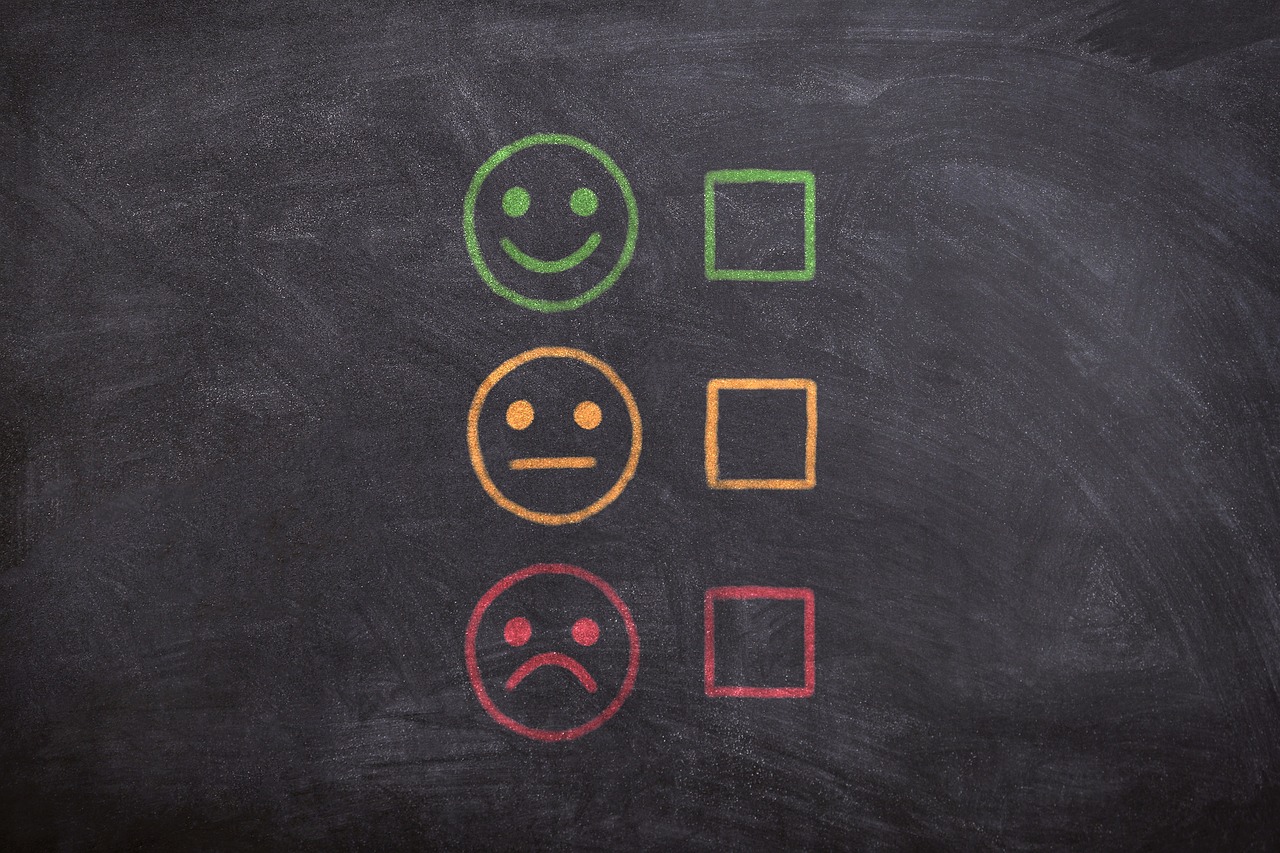
Blind reps only get you so far. At some point, you need input from people who’ve been there before or at least know what good looks like. But here’s the trick: don’t just ask anyone. Your friend who dabbles won’t cut it. Find folks who either practice the skill at a higher level or have a knack for spotting patterns. Be specific when you ask. Instead of “What do you think of this?”, go with “What part of this feels off to you?” or “Any ideas to tighten this up?”
Community forums and tight online groups help you move faster. Places like focused subreddits, Discord servers, or private Slack channels can shave weeks off your learning curve. You’re not alone, and the feedback cycle is usually quick and raw which is what you want.
Now, the hard part: don’t get paralyzed by critique. Not everything is a personal attack. Separate signal from noise. Implement what makes sense, move on when it doesn’t. The goal isn’t perfection it’s momentum. Learn fast, iterate faster.
Leveling Up With Environment Stacking
If you’re trying to build skills but your setup works against you, you’re swimming upstream. Start by stripping down both your physical and digital environments. Fewer tabs. Fewer pings. One charged device, one goal. If you’re learning with a controller or keyboard, make sure your space invites focus, not friction.
Then, stack your learning into routines you already follow. After a gaming session? Watch a 10 minute tutorial. Brushing your teeth before bed? Cue up a short breakdown to reflect on. When you tack learning onto moments that already exist, you skip the willpower tax.
Accountability is your silent multiplier. Whether it’s a public log, a notes app journal, or posting your goal online do something that says: I’m showing up. You don’t need an audience, just a mirror. Keep it scrappy, keep it honest, and let your environment do half the heavy lifting.
Bonus Tip: Learn from Strategy Focused Communities
If you want to speed up your skill growth, study people already playing at the highest level. Gamers are a great case study they consistently break down elite gameplay to find what works, what doesn’t, and why. They don’t just copy moves. They reverse engineer strategies, one mechanic or decision at a time.
The best players don’t get there by winging it. They use data, routines, and near obsessive refinement. One loadout change, one stat tweak, one smarter pre aim that’s how they level up. It’s less about raw talent, more about deliberate adjustment over weeks and months.
For a deep dive, check out The Best Loadouts for Competitive Shooters in 2026. It’s a sharp example of how precision and routine can take decent players and turn them high tier. The bigger lesson? If you want to get better, don’t just play harder. Think smarter. Break it down, improve deliberately, and build your edge.
Stay Lean, Stay Learning
Too many beginners pour cash into premium apps, custom dashboards, and shiny new subscriptions, thinking tools will do the work for them. Don’t fall for it. The best platforms are the ones you can stick with. Start free. Start basic. Master consistency before complexity.
Focus on outcomes you can measure. Are you quicker? More accurate? More confident under pressure? Forget chasing perfection track progress. Small, steady wins always beat bursts of effort followed by burnout.
And every 30 days, reassess. What’s working? Double down. What’s dragging you out? Cut it loose. Efficient learners experiment fast and adapt faster. Spend time finding momentum, not polishing routines that lead nowhere.