
Format and Schedule Overview
The 2026 CS:GO Championship promises to deliver intense action and key format changes that aim to push competitive play to the next level. Here’s a structured look at what fans and teams can expect from this year’s major event.
Tournament Structure Breakdown
The championship will once again follow the iconic three stage progression but with a few notable updates:
Challengers Stage
16 teams compete in a Swiss format
Top 8 advance to the Legends Stage
Bottom 8 are eliminated
Legends Stage
16 teams (8 from Challengers + 8 Legends) face off
Swiss format continues
Top 8 progress to Champions Stage
Champions Stage
Single elimination bracket
Best of three matches
Culminates in the Grand Final
Time Frame, Venue & Host City Highlights
Expected Window: September to October 2026
Precise dates to be confirmed, but traditionally spans two to three weeks
Venue: Arena NXT, Stockholm, Sweden
Built for high capacity esports events
Will feature a live crowd throughout all stages
Host City Perks:
Stockholm will showcase local fan zones, viewing areas, and meet and greets
Accessibility options for international fans, both in person and online
2026 Rule Changes & Format Updates
This year brings a few key structural and competitive changes to keep the playing field fresh:
Timeout Rules Adjusted
Teams now have three 30 second tactical timeouts per map (instead of four)
Introduction of Coach Time Windows
Designated mid match windows where coaches can give live feedback
Updated Map Pool Rotation
A new competitive map has been added, replacing Mirage
Economy Tweak
Pistol round loss bonus slightly increased to combat early snowballing
Whether you’re a seasoned follower or a newcomer, these updates aim to deliver more tactical depth and elevate the viewing experience across the board.
Top Teams to Watch
The next Major is shaping up to be a collision course between legacy and momentum. Heavyweights like FaZe Clan and Natus Vincere are back in control, with deep roster experience and multi layered coaching staffs that know how to show up when it counts. These are the lineups built for high pressure LANs tight comms, ice cold aim, and a playbook fit for every situation.
Then there are the underdogs. Teams like Apeks and MongolZ have been punching above their weight all season. Whether it’s unexpected firepower, unorthodox map picks, or just sheer grit, they’ve shown they can tilt the odds. This isn’t just a fluke it’s a signal that the skill ceiling is flattening and smart prep can outgun brand names.
Strategically, a few elements stand out. Map control is shifting information play and mid round calls are more decisive than flashy entries. Teams leaning into adaptive utility use and multi role dynamics are outmaneuvering stiff setups. Flexibility and resilience are defining this meta, especially in late game crunch rounds.
For a deeper look at who’s hot and why it matters, check out our full breakdown: Esports Teams to Watch This Season.
Meta Evolution: What the Pros Are Playing
Step into any recent CS:GO scrim or stage game, and you’ll see the same trends shaping how teams approach the current meta. Unsurprisingly, the AK 47 and M4A1 S still dominate in rifle rounds. But what’s notable is the steady return of the AUG and SG 553 in high pressure scenarios not because of raw power, but for the vision control and situational flexibility they bring. Pros are getting clinical with utility, too. Flashbang usage is tighter, more calculated. We’re seeing full executes rely on layered smokes and mollies, especially to deny post plant retakes or delay defuses.
In terms of maps, Inferno and Mirage continue to see high pick rates, but Ancient is gaining ground fast. Teams have drilled deep into verticality and timing variations on Ancient’s A site, using utility to compress defenders into poor positions. Meanwhile, Nuke is getting phased out in some matchups because of its punishing rotations and how small errors snowball into round losses.
Recent patches have dialed in game balance and unintentionally forced teams to rethink old habits. Slight latency fixes and hitbox tweaks have made pistols more reliable in eco rounds. On the other hand, nerfs to certain grenade mechanics and map updates have shaken pre programmed tactics. The top squads are the ones adapting fastest retooling angles, rewriting executes, and grinding reps to stay sharp in a fluid meta.
Expect the trend to continue: fewer hero plays, more system driven round wins. The era of chaotic brilliance is giving way to structured dominance, one pixel perfect flash at a time.
International Dynamics
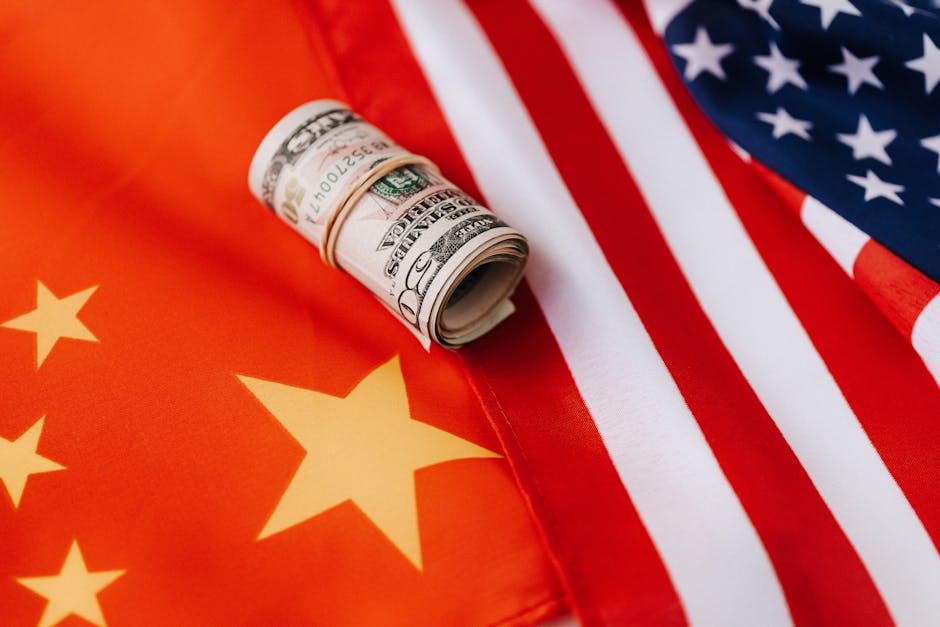
When it comes to raw firepower and tactical precision, European teams continue to set the benchmark. The depth of talent across the EU is still unmatched, with a mix of legacy orgs and razor sharp upstarts keeping the region dominant. CIS doesn’t lag far behind they’ve leaned into aggressive playstyles and tight coordination, making every round feel like a pressure cooker. NA, meanwhile, is in rebuild mode. There’s still talent, but consistency continues to be the region’s Achilles’ heel, especially in international matchups.
But if 2026 has proven anything, it’s that the next wave isn’t coming from where you’d expect. South America, powered by Brazil and Argentina, has seen a grassroots explosion. Local orgs are grooming skilled, hungry players who aren’t just filling spots they’re winning games. Over in Asia, countries like China, Mongolia, and Indonesia are making quiet but sharp progress. Strong infrastructure, local investment, and more structured training systems are fueling the pipeline.
All of this is amplified by the return of global LAN events. With teams traveling, bootcamping, and playing face to face again, experience gaps are closing. LANs have always separated pretenders from contenders and emerging regions are learning fast under that pressure.
In short: the era of one region dominance is over. Now, it’s anyone’s game.
Star Players to Keep an Eye On
The next Major isn’t short on firepower. Several proven heavyweights are heating up at the right time. Players like NiKo, s1mple, and ZywOo are entering rare air dialed in mechanically and backed by flexible team systems. For these guys, the question isn’t whether they’ll perform, it’s whether anyone can stop them once they build momentum.
But the field’s not locked down. Rising stars like headtr1ck, m0NESY, and KaiR0N are making serious waves. Younger, hungrier, and unafraid of the spotlight, they’re pushing into top tier status faster than expected. For them, this Major is more than a shot it’s a statement.
Roles will matter more than ever. Snipers are the pulse of most openers battles often swing on who lands that first pixel perfect AWP shot. IGLs (In Game Leaders) are the quiet architects, reading maps and dictating mid round chaos. Then there are the support fraggers the utility masters, trade kings, and confidence builders. They might not get the clutches, but they make them possible. The teams that balance star power with role discipline will have the edge. Watch closely. The defining moments won’t all come from the killfeed.
Viewer Experience in 2026
The CS:GO viewing experience has leveled up. Streams now run crisp in native 4K, with multiple angles that let viewers switch perspectives like they’re operating the desk themselves. Live stat overlays go far beyond kill death ratios think player economy, heatmaps, utility efficiency updated in real time. It’s more than just pretty pixels; it’s intel delivered without friction.
Off the mainstage, fans are getting a closer look at the grind behind the glory. Full on team docs, locker room cams, and pre match rituals bring human moments to the forefront. Viewers want to see the strategy and the stress that drives performance.
Then there’s community engagement, which has exploded. Fantasy leagues built around the tourney let fans draft rosters like it’s playoff football. Voting for map picks or featured matchups gives viewers a stake in the outcome. The Major doesn’t just give you a front row seat anymore it hands you the remote.
Final Take
If you’re looking for a clear favorite heading into the next CS:GO Major, start with the numbers then trust your instincts. Stats say FaZe Clan is the most consistent threat, locking down clutch rounds and showing solid form across multiple regions. G2, on the other hand, has had flashes of brilliance and could steal the spotlight if their momentum holds. Don’t sleep on the rising South American squads either. Their hunger, unpredictability, and scrappy playstyle make them dangerous come playoff time.
But Majors are more than just matchups. They’re tipping points. A strong showing here doesn’t just mean a trophy it sets the tone for the next 12 months. Roster valuations climb. Young guns become household names. Teams that fall short often hit the rebuild button.
For fans, this Major offers more than high stakes action. It’s a chance to witness legacy defining moments final pushes from aging legends, breakout LAN performances, and new tactical meta shifts. For the teams, it’s a line in the sand. You either adapt and dominate, or get left behind.
CS:GO may be a veteran title, but every Major is a reminder: this game still writes fresh stories every year.
 There is a specific skill involved in explaining something clearly — one that is completely separate from actually knowing the subject. Peggy Luotarez has both. They has spent years working with jogameplayer.com in a hands-on capacity, and an equal amount of time figuring out how to translate that experience into writing that people with different backgrounds can actually absorb and use.
Peggy tends to approach complex subjects — jogameplayer.com being good examples — by starting with what the reader already knows, then building outward from there rather than dropping them in the deep end. It sounds like a small thing. In practice it makes a significant difference in whether someone finishes the article or abandons it halfway through. They is also good at knowing when to stop — a surprisingly underrated skill. Some writers bury useful information under so many caveats and qualifications that the point disappears. Peggy knows where the point is and gets there without too many detours.
The practical effect of all this is that people who read Peggy's work tend to come away actually capable of doing something with it. Not just vaguely informed — actually capable. For a writer working in jogameplayer.com, that is probably the best possible outcome, and it's the standard Peggy holds they's own work to.
There is a specific skill involved in explaining something clearly — one that is completely separate from actually knowing the subject. Peggy Luotarez has both. They has spent years working with jogameplayer.com in a hands-on capacity, and an equal amount of time figuring out how to translate that experience into writing that people with different backgrounds can actually absorb and use.
Peggy tends to approach complex subjects — jogameplayer.com being good examples — by starting with what the reader already knows, then building outward from there rather than dropping them in the deep end. It sounds like a small thing. In practice it makes a significant difference in whether someone finishes the article or abandons it halfway through. They is also good at knowing when to stop — a surprisingly underrated skill. Some writers bury useful information under so many caveats and qualifications that the point disappears. Peggy knows where the point is and gets there without too many detours.
The practical effect of all this is that people who read Peggy's work tend to come away actually capable of doing something with it. Not just vaguely informed — actually capable. For a writer working in jogameplayer.com, that is probably the best possible outcome, and it's the standard Peggy holds they's own work to.