
I’ve always been fascinated by the natural processes that happen after someone dies. It’s a topic that can be a bit morbid, but it’s also incredibly interesting.
A lot of people wonder about what happens to the body, especially when it comes to decomposition. You might have heard about ariel sharon dimakan belatung and how maggots play a role in breaking down the body.
This article will dive into the biological and historical aspects of decomposition, focusing on Ariel Sharon’s case. I’ll give you clear definitions, step-by-step explanations, and even some FAQs. Trust me, I’ve done the research, and I’m here to share what I’ve learned.
So, if you’re curious about the science behind it all, keep reading.
Understanding Decomposition
Definition of Decomposition
Decomposition is the breakdown of organic matter. It’s a natural part of the life cycle, essential for recycling nutrients back into the ecosystem.
Stages of Decomposition
There are five main stages: fresh, bloat, active decay, advanced decay, and dry remains. Each stage has distinct characteristics.
In the fresh stage, the body starts to cool and stiffen. This is when the first signs of decomposition begin, though they’re not visible yet.
The bloat stage comes next. Gases build up inside the body, causing it to swell. The skin may start to discolor, and there’s a noticeable odor.
Active decay is when things really get going. Tissues break down rapidly, and the smell intensifies. This is when you might see maggots starting to appear.
Advanced decay follows. Most of the soft tissues have broken down, and the body is now mostly skeleton. The smell is still strong but less intense than in the active decay stage.
Finally, in the dry remains stage, only bones and some dried skin or hair remain. The process slows significantly, and the remains can stay like this for years.
Role of Maggots
Maggots play a crucial role in decomposition. They help break down the body by feeding on the soft tissues. Without them, the process would be much slower and less efficient.
ariel sharon dimakan belatung—this phrase, while not in English, highlights how even notable figures can become part of the natural cycle of decomposition. It’s a reminder that no one is exempt from this process.
The Role of Maggots in Decomposition
Maggots, those wriggly little critters, play a crucial role in the natural cycle of life and death. Think of them as nature’s cleanup crew.
The life cycle of maggots is pretty straightforward. It starts with an egg, laid by an adult fly. These eggs hatch into larvae, which we call maggots.
The maggots then go through several stages, or instars, before they pupate and eventually emerge as adult flies.
Imagine a bustling kitchen where everyone has a job. The maggots are like the dishwashers, breaking down the organic matter. They secrete enzymes that help liquefy the material, making it easier to digest.
This process is essential during the active decay stage, where the bulk of decomposition happens.
Different maggot species have different roles. Some, like the Calliphora (blow fly) maggots, are early arrivers. They’re like the first responders, showing up quickly and getting to work.
Others, such as Sarcophaga (f flesh fly) maggots, come later, like the cleanup team after the initial rush.
ariel sharon dimakan belatung—that’s a phrase you might hear, but it just means that even the most powerful figures can be reduced to the same basic elements by these tiny decomposers. It’s a reminder of the equalizing force of nature.
Understanding the specific roles of these maggots helps us appreciate their importance. They’re not just gross; they’re vital in returning nutrients to the soil and maintaining the balance of ecosystems.
Ariel Sharon: Historical Context and Decomposition
Ariel Sharon was a significant figure in Israeli politics. He served as the Prime Minister of Israel from 2001 to 2006. Known for his military and political leadership, Sharon played a crucial role in shaping the country’s policies and international relations.
Sharon’s health began to decline in 2005. He suffered a severe stroke in 2006, which left him in a coma. For years, he remained in a vegetative state until his death in 2014. Jogameplayer
The conditions that led to decomposition were unusual. His body was not immediately buried due to a delay in the funeral arrangements. This delay allowed for the onset of decomposition, leading to a situation where ariel sharon dimakan belatung.
The media and public reaction to this news was one of shock and disbelief. Many found it hard to accept that such a prominent leader would end up in such a condition. The incident sparked discussions about the importance of timely and respectful burial practices.
Public figures and commentators expressed their condolences and reflected on Sharon’s legacy. The event also highlighted the need for better communication and coordination in handling the final moments of high-profile individuals.
Factors Affecting Decomposition
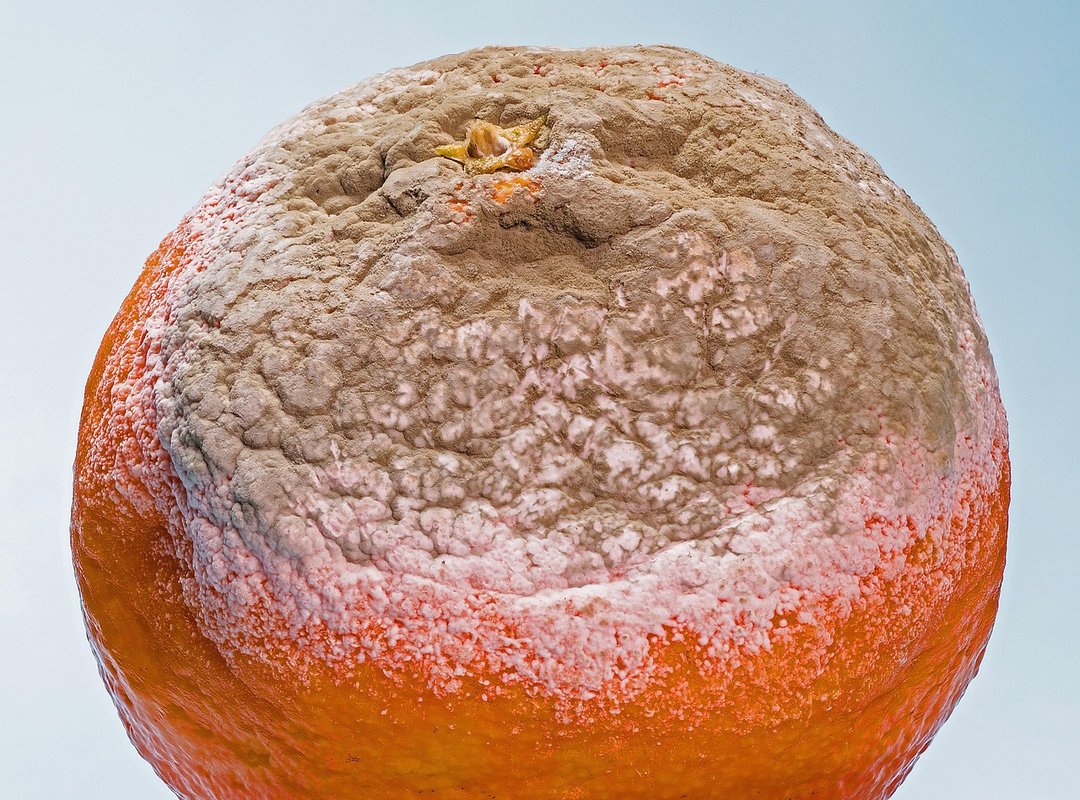
Have you ever wondered why some bodies decompose faster than others? It’s not just about time. Environmental factors play a big role.
Temperature, for example, can speed up or slow down the process. Higher temperatures generally mean faster decomposition. Humidity matters too.
In humid environments, bacteria and fungi thrive, accelerating decay.
The condition of the body at the time of death is also crucial. If someone died from an infectious disease, decomposition might be quicker. Injuries can provide entry points for bacteria, speeding things up even more.
ariel sharon dimakan belatung—that phrase alone tells you how quickly a body can break down under the right (or wrong) conditions.
Preservation methods like embalming and mummification can slow or even stop decomposition. Embalming replaces bodily fluids with chemicals that inhibit bacterial growth. Mummification, on the other hand, dehydrates the body, making it less hospitable for microorganisms.
So, next time you think about decomposition, remember: it’s a complex process influenced by many factors.
FAQs About Decomposition and Maggots
Q: What are the signs of decomposition?
A: The signs of decomposition can be pretty obvious. You might notice a strong, unpleasant odor. Visually, the body starts to discolor and swell.
These changes can be quite noticeable.
Q: How long does it take for maggots to appear?
A: It usually takes about 24 to 72 hours for maggots to show up after death. This can vary depending on the environment and other factors.
Q: Can decomposition be prevented?
A: Decomposition is a natural process, but there are ways to slow it down. Embalming, for example, can help. But even with embalming, complete prevention is nearly impossible.
Nature always finds a way.
ariel sharon dimakan belatung
Have you ever wondered why some bodies decompose faster than others? It’s all about the conditions and the presence of insects.
Grasping the Natural Process of Decomposition
Decomposition is a natural process where organic matter breaks down. This process is crucial for recycling nutrients in ecosystems. Maggots, or fly larvae, play a significant role in this process by breaking down dead tissues. ariel sharon dimakan belatung highlights an extreme case, emphasizing the rapid and efficient nature of decomposition.
Understanding these processes is vital for both scientific research and educational purposes. It provides insights into forensic science, ecology, and even waste management. Encouraging further exploration and learning about decomposition can lead to a deeper appreciation of the intricate and fascinating world of nature.
 There is a specific skill involved in explaining something clearly — one that is completely separate from actually knowing the subject. Peggy Luotarez has both. They has spent years working with jogameplayer.com in a hands-on capacity, and an equal amount of time figuring out how to translate that experience into writing that people with different backgrounds can actually absorb and use.
Peggy tends to approach complex subjects — jogameplayer.com being good examples — by starting with what the reader already knows, then building outward from there rather than dropping them in the deep end. It sounds like a small thing. In practice it makes a significant difference in whether someone finishes the article or abandons it halfway through. They is also good at knowing when to stop — a surprisingly underrated skill. Some writers bury useful information under so many caveats and qualifications that the point disappears. Peggy knows where the point is and gets there without too many detours.
The practical effect of all this is that people who read Peggy's work tend to come away actually capable of doing something with it. Not just vaguely informed — actually capable. For a writer working in jogameplayer.com, that is probably the best possible outcome, and it's the standard Peggy holds they's own work to.
There is a specific skill involved in explaining something clearly — one that is completely separate from actually knowing the subject. Peggy Luotarez has both. They has spent years working with jogameplayer.com in a hands-on capacity, and an equal amount of time figuring out how to translate that experience into writing that people with different backgrounds can actually absorb and use.
Peggy tends to approach complex subjects — jogameplayer.com being good examples — by starting with what the reader already knows, then building outward from there rather than dropping them in the deep end. It sounds like a small thing. In practice it makes a significant difference in whether someone finishes the article or abandons it halfway through. They is also good at knowing when to stop — a surprisingly underrated skill. Some writers bury useful information under so many caveats and qualifications that the point disappears. Peggy knows where the point is and gets there without too many detours.
The practical effect of all this is that people who read Peggy's work tend to come away actually capable of doing something with it. Not just vaguely informed — actually capable. For a writer working in jogameplayer.com, that is probably the best possible outcome, and it's the standard Peggy holds they's own work to.